Goal
One goal
Revenue, profit, leads or sign-ups: the number everything answers to.
A fractional CMO is a senior marketing leader who works with you part time: sets the goals, builds the plan, runs the people and the tools, and answers for the result. That is what I do, for a fixed monthly fee, without a full-time salary.
Creative, data, media, tech and product marketing, for brands across ecommerce, tech, finance, education, automotive and food. Some of them:
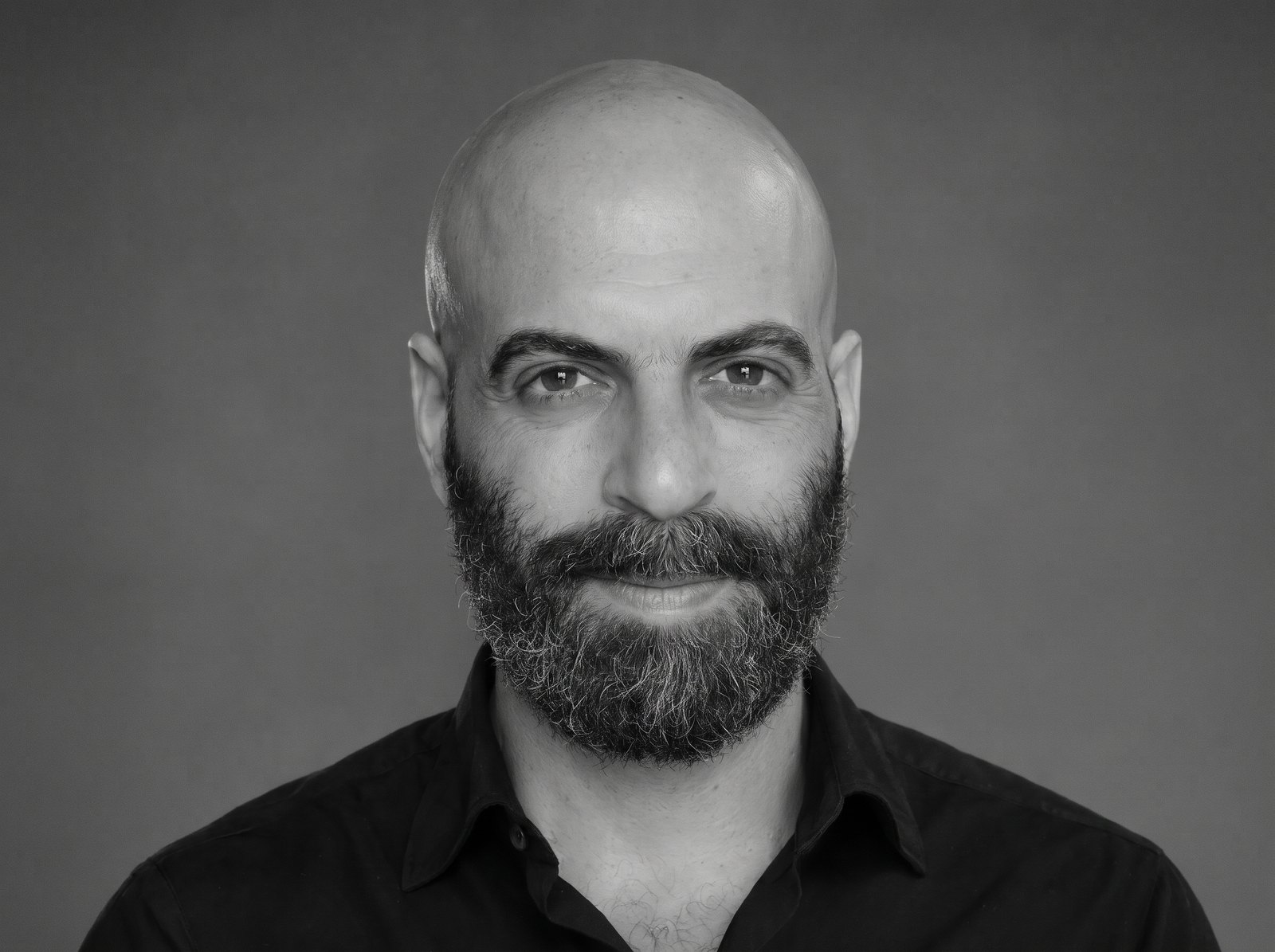













The leadership work, every month, tied to numbers you can check.
A small set of goals, each with a number and a date, agreed with you.
Which channels, which offers, in which order, and why.
Where the money goes, and what each part should bring back.
Designers, developers, SEO firms and producers briefed and measured on one plan.
One bet at a time, each with the number it should move and a date to check.
What moved, what did not, and what changes next month.
These are some of the channels I work with. All of them, as one plan. Each links to the service page with the detail.
 Search
, Shopping and Performance Max, as part of paid media.
 Social
Facebook and Instagram ads and catalog, managed against margin.
 B2B
Ads and content for buyers you can name by job title.
 Video
Short video where your buyers spend their time.
 Organic
Found on Google and quoted in AI answers. More.
 Owned
Flows and campaigns that bring customers back. More.
 Owned
Messages people open, at the right moment. More.
 Site
More buyers from the visits you already get. More.
 Data
Tracking and reports you can trust. More.
 Content
Articles and pages that keep selling. More.
 Creative
Images, video and copy that look like you. More.
 Automation
The busywork, done by systems. More.
Most brands run each channel on its own: an agency for ads, a freelancer for SEO, someone for social. Each reports its own win. I run them as one system, measured against one goal.
Revenue, profit, leads or sign-ups: the number everything answers to.
Who they are, what they search, what makes them say yes.
Products, prices and the offer that gets the first order.
Paid, organic and owned, picked by margin and fit.
Split by channel, moved monthly to what pays back.
One report, checked against real sales, not each vendor's own.
No two brands need the same plan. Here is where I usually start, by what you are facing.
| Your situation | Where I usually start |
|---|---|
| Sales are flat | Find where growth stopped: traffic, conversion, order value or repeat buyers Usually for: Brands past their first growth |
| Spend is up, profit is not | Profit by channel, and cut what does not pay back Usually for: Brands spending on many channels |
| No one owns marketing | A plan, a budget and one person who answers for both Usually for: Founders doing it themselves |
| Too many vendors | One brief and one plan, with every vendor measured on it Usually for: Brands with an agency per channel |
| A new market or product | Who buys and what they search, then a small test before the big spend Usually for: Launches |
| Leads but few sales | Lead quality from the CRM, and the hand-off to sales Usually for: Services, B2B |
Yes, for the work that used to take weeks: market and competitor scans, reading months of data, drafting the plan. The judgement stays human. AI is fast and confident, and it is sometimes wrong, so every number it gives me is checked against a source before it reaches a decision.
Claude ChatGPTGemini
Competitors, prices and what buyers ask, read in days, not weeks.
Months of numbers read and cross-checked against the real sales.
What to do, what to stop and what to bet on is decided by a person.
By the goals we set at the start, read every month. Every bet in the plan carries the number it should move and the date it will be checked. What moves the number stays and grows. What does not gets cut, and the next bet takes its place.
They get used as if they were one thing. Here is how they fit together.
A senior marketing leader, part time, instead of a full-time hire. Everything below sits under it.
Someone who owns the goals, the plan and the result, and makes the calls between them.
The few numbers that say whether marketing is working: revenue, profit, leads, customers.
The channels, offers and dates that turn the strategy into work.
How the money is split between channels, and moved as results come in.
Bets run one at a time, each judged on the number it was meant to move.
Deciding where marketing should take the business, and what it will not do.
An agency runs channels, but rarely owns the whole plan. A full-time CMO owns it, at a full-time salary, and usually needs a team under them. A fractional CMO owns the plan part time. With me you also get the hands: I run the channels myself, with my own tools, and one person answers for the result.
| Sibonix | Typical agency | Freelancer | In-house hire | |
|---|---|---|---|---|
| Senior marketer on your account | Yes | Sometimes | Yes | Sometimes |
| +12 years across every channel | Yes | No | Sometimes | No |
| Strategy and execution from the same person | Yes | No | Yes | No |
| You own your accounts | Yes | Sometimes | Yes | Yes |
| One focal point | Yes | No | No | No |
| Builds the tools, not only uses them | Yes | No | No | Sometimes |
Most marketing plans start from channels. I start from the business, because a plan is only as good as the goal behind it.
What growth means for you, and what a sale or a lead is worth.
The data you have, checked against real sales: what brings customers, what does not.
Who buys, why, and the offer that gets the first order.
Channels, order and budget, with the number each part should move.
What moved, what did not, and the next bet.